

The Original Seer

“Man, you called AI before anyone else.” I get a version of that just about every day.
The sentiment is nice, but there were several people who were jumping up and down about automation and jobs even before I was. One of them is technologist Martin Ford, whom I interview on the podcast this week.
“People are arguing right now about whether we are seeing AI replace workers,” Martin observes. “My point is that, even if it’s not happening now, it will be happening eventually. With the development of both AI and robotics, it’s inevitable that the bulk of human workers will eventually be replaced. And some data shows that it’s happening now with entry-level jobs, particularly in computer programming and customer service roles.”
Martin wrote the seminal book, “Rise of the Robots: Technology and the Threat of a Jobless Future” way back in 2015. He had an earlier book, “Lights in the Tunnel” that made a similar case way back in 2009. I was profoundly influenced by Martin and read both books before I ran for President. What can I say? I read a lot. Martin argues for Universal Basic Income in Rise of the Robots. “In my view, the most effective solution is likely to be some form of basic income guarantee.” He describes a vision of a consumer market as a renewable resource with people receiving money that they then turn around and spend.
Right now though, Martin fears that the current changes are going to get rocky indeed. “Many of the workers whom I believe may be most subject to replacement by AI are highly-paid white-collar workers, like accountants and lawyers. As they lose their salaries, it’s going to hurt their ability to pay their mortgages or consume. The top 10% of earners account for 50% of spending in the consumer economy, and even if a basic income were to be implemented it wouldn’t be enough to make up for the loss of buying power.”
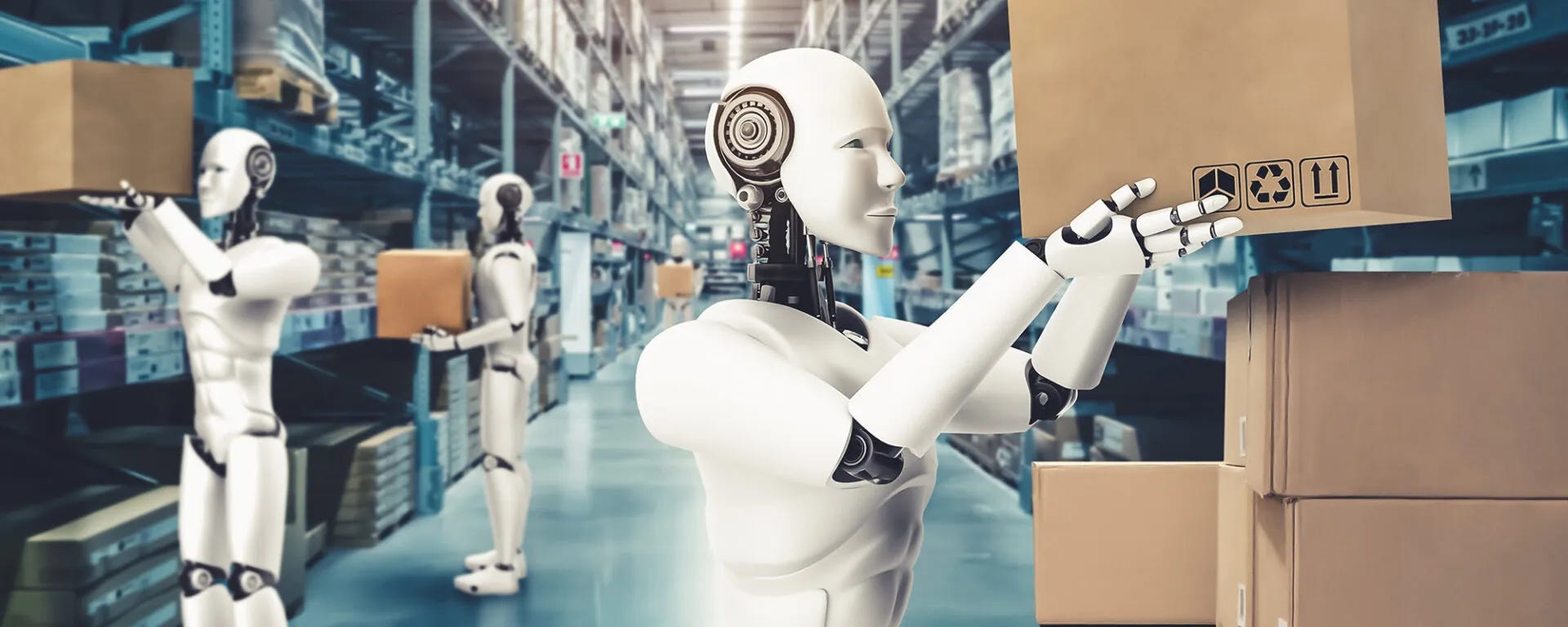
Martin also observes that labor replacement isn’t linear, but tends to spike in a downturn. “History shows that automation technologies get rolled out most actively in a recession, and there’s a chance we might be heading toward one now.” For example, 13% of credit card accounts are now delinquent, the highest rate in over a decade.
Martin also thinks that the current spending assumes substantial labor replacement. Here’s the math: $725 billion will be spent on AI data centers and infrastructure this year. How could corporate America spend $725 billion and not expect some of it to come back via reduced labor costs? I just came back from Michigan where they are trying to clear the way for more data centers in their state because the centers bring with them significant ongoing tax revenue. Martin says, “One argument is that it will increase productivity and enable big companies to do more. But with that much invested, reducing labor costs will be the low-hanging fruit.”
AI is in the news this week as several major companies have seen shaky returns from their early spending; one major company spent $500 million on AI tokens to little return, and is now reducing its spend. Other companies are reporting similar experiences. Simultaneously, Anthropic, OpenAI and others are gearing up for the biggest IPOs in history. You can almost sense them trying to reach the public markets so that they can realize hundreds of billions of dollars worth of liquidity before their ability to reach their lofty revenue projections gets called into question. It’s a footrace on which the entire stock market depends, as a lot of the recent growth has been fueled by belief in AI. “I think the valuations are too high based on what these businesses are bringing in for revenue,” Martin comments. But his concerns about labor replacement are bigger than any current valuation cycle. “This has been building up for years.”
Martin is nothing if not consistent - I saw him at TED in 2017. “I used to talk about this and people would see it as an interesting topic for the future, maybe twenty years out. Now, they think it’s very relevant to the present day. I see my job as trying to get smart people talking about this so we can address some of these issues.” He’s not the only one.
For my conversation with Martin Ford, the author of “Rise of the Robots: Technology and the Threat of a Jobless Future” click here. To check out Forward Party candidates in your area, click here. To get a copy of “Hey Yang, Where’s My Thousand Bucks?” click here and use the code “UBIUBI” for 25% off. For 3 months off your mobile bill with Noble Mobile, click here or email matt@noblemobile.com and use my name to switch or explore. Look up.
Oh My Gosh! Andrew, get a meeting with the Pope.
I think he will be interested in your consumer tech ideas!